Condensation in an attic usually comes from warm, moist indoor air reaching cold roof boards, and with long wet winters here the damage can build quietly. A roofer can check whether intake and exhaust airflow are balanced and whether any fans dump moisture upstairs. Call the number on this page to be connected with a local roofing contractor in Issaquah.
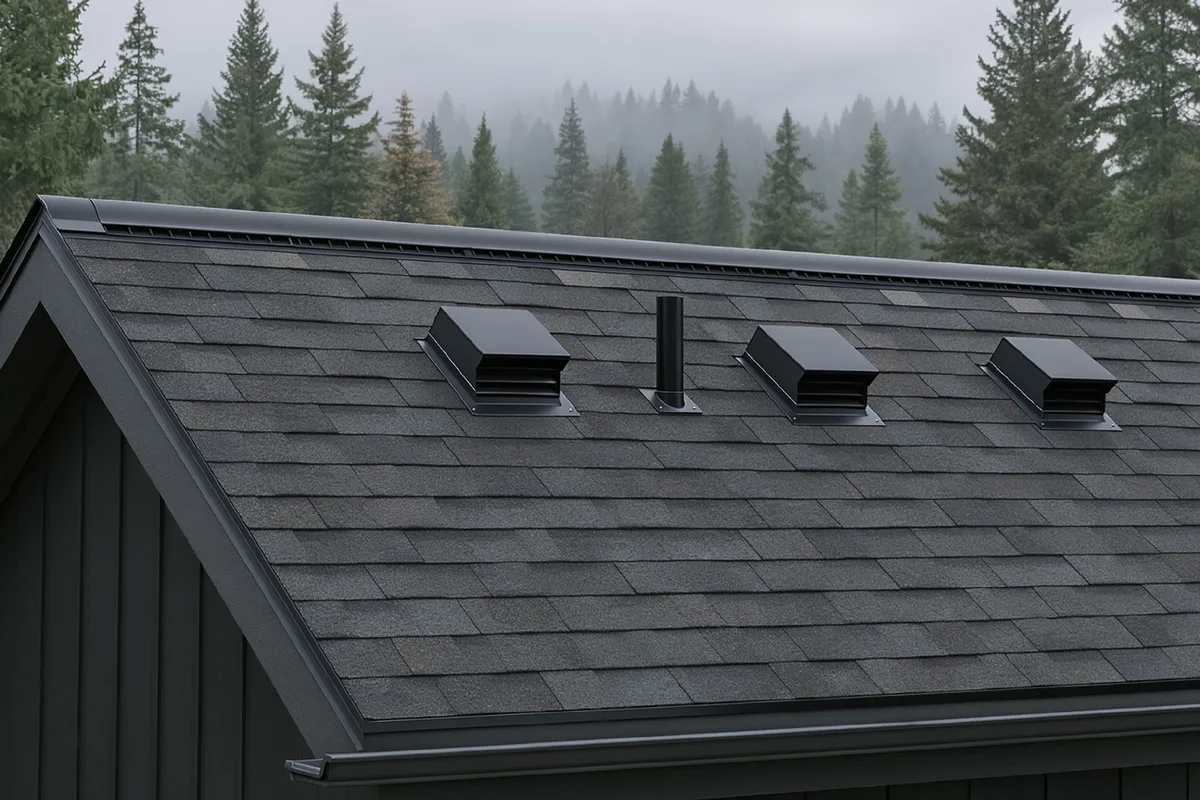
Signs the attic is not breathing
Water droplets or frost on roof nails, dark stains on the underside of the decking, wet or compressed insulation and a musty smell are classic signs. Look with a flashlight from the attic hatch, and note whether it feels stuffy and warm or damp and cold.
Insulation and air leaks matter
Warm house air slipping through recessed lights, hatches and wall tops brings moisture into the attic. Air sealing and the right insulation depth work together with ventilation. A roofer may recommend an insulation contractor for that side of the job. Both sides deserve attention before anyone adds vents.
Many houses in Issaquah were built around 2002, and some combine complex rooflines with limited vent space, making intake and exhaust balance harder to achieve.
Needles and debris from nearby firs can gum up vent screens, so a roofer checking airflow on wooded lots will often clear intake areas first.
What drives the quote
- Type of vents chosen
- Number of cuts through the roof or soffit
- Attic access and insulation to move
- Repairs to damaged decking
- Disposal and cleanup
Ask the roofer to walk through each item on the quote, since vent type and cut count often matter more than the overall roof area.
Questions to ask the roofer
Ask what is causing the moisture, how intake and exhaust will be balanced, whether the fans will be rerouted, and whether any mold or rot needs separate treatment. A clear written scope makes it easy to compare quotes. Ask about written notes and photos as well.
Track the pattern over time
Note whether signs appear after cold nights, hot days or heavy showers. Patterns help the roofer sort condensation from leaks. A leak shows up after rain, while condensation follows temperature and humidity swings. Photograph conditions on cold mornings and warm afternoons for comparison, and tell the roofer.
Know this about Issaquah roofs
Building permits for Issaquah homes are handled by the Issaquah CPD. Small repairs often need nothing, while a tear-off, new sheathing or structural work usually does, so ask the roofer who pulls the permit.
A quick check that pays off: enter the contractor's name in L&I's online verify tool to confirm an active Washington registration.
Fall and winter windstorms are the main source of sudden roof damage around Puget Sound. Lifted tabs and loose ridge caps are worth a look after a blow.
With big firs and cedars close to many homes in Issaquah, falling limbs during windstorms are a real roof risk. Trimming overhanging branches helps.
Storm took out power too? Report it to PSE at 888-225-5773, and stay clear of any downed line.
Newer neighborhoods around Issaquah often have HOAs; check whether roofing color or material needs architectural approval before you order.
Calls from Issaquah are often matched with roofers who also cover Sammamish, Fall City and Snoqualmie.
Roof Ventilation questions in Issaquah
Can a bathroom fan vent into the attic?
Are powered attic fans a good idea?
Why is my attic hot in summer?
Should I use a dehumidifier in the attic?
More roofing services in Issaquah
Roof Ventilation nearby
Helpful guides
Sources
Last updated: