Wind rarely ruins a whole roof evenly. It tends to peel edges, ridges and corners first, and can crease shingles that still look in place. A roofer looks for those weaker spots. Call the number on this page to be connected with a local roofing contractor in Pacific.
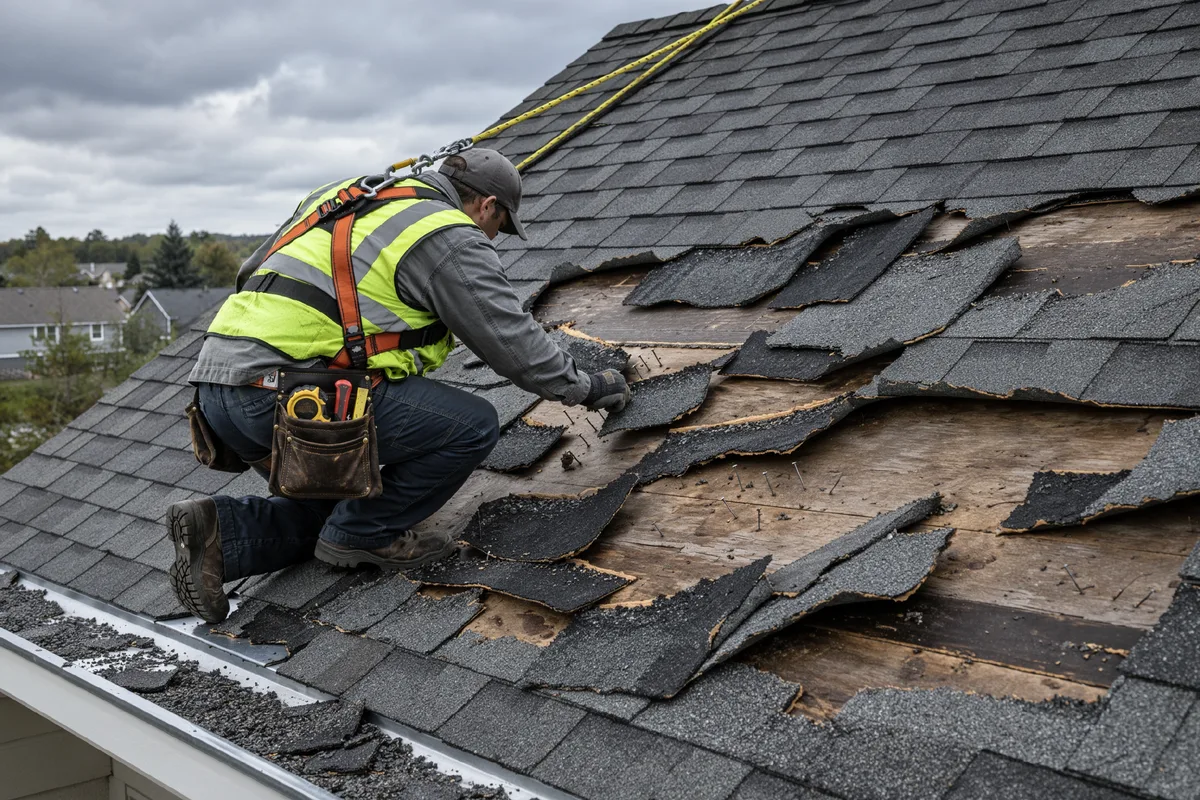
Damage you may not see right away
Wind can crack the sealant strip under a shingle, leaving the tab loose without any visible hole. Nail pops, creases and slight lifts show up later as leaks or tabs that flap in the next breeze. A roofer's close inspection finds what binoculars miss.
Ridge and hip caps
The highest, most exposed parts of the roof catch the strongest gusts. Ridge caps can lift, split or slide, leaving the peak open to rain. Roofers look closely at these lines and the exposed nails beneath them after any big storm. Even one lifted cap deserves repair soon.
What the roofer can provide
A roofer can describe the damage in writing, list affected areas, note the roof's age and material, and explain the repair scope. That report supports a claim but does not decide it. The adjuster and your policy determine what is covered. Ask what the report will include before the visit.
Useful local facts for Pacific
For permit questions on a reroof, start with the Pacific Community Development. A contractor who works here regularly will know whether your job needs anything filed.
A quick check that pays off: enter the contractor's name in L&I's online verify tool to confirm an active Washington registration.
Months of steady rain, shaded roofs and mild temperatures make moss and debris a constant here. Gentle removal is better for shingles than a pressure washer.
Electric service here comes from PSE (outages: 888-225-5773). Keep away from any line touching the house or a fallen tree.
Write down when the leak appears: every rain, only in wind-driven rain, or only after snow. That detail points straight to the cause.
Contractors that take calls here usually also work in Auburn, Milton and Sumner.
Storm surge in demand
After a big windstorm, many owners call at once, and roofers triage by urgency. Open roofs and active leaks go first. A repair that is not urgent may wait, so protect what you can and ask for realistic expectations on timing. Honest roofers explain the schedule openly.
Prepare for the next storm
Once repairs are done, ask about sealing loose tabs, securing ridge caps, trimming overhanging limbs and clearing gutters. Small steps reduce what the next windstorm can do. Keep the roofer's report and photos together for future reference. Small steps now make the next storm easier on the house.
Storm Damage Roof Repair questions in Pacific
Should I get the roof checked even if it looks fine?
How soon should I report storm damage?
Will new shingles match my old ones?
What should I do about a downed power line near the roof?
More roofing services in Pacific
Storm Damage Roof Repair nearby
Helpful guides
Sources
Last updated: