Condensation in an attic usually comes from warm, moist indoor air reaching cold roof boards, and with long wet winters here the damage can build quietly. A roofer can check whether intake and exhaust airflow are balanced and whether any fans dump moisture upstairs. Call the number on this page to be connected with a local roofing contractor in Kent.
Questions to ask yourself
- Does the attic smell musty or damp?
- Are roof boards dark or stained?
- Is insulation wet or pressed against the roof?
Yes to any of these is worth a roofer's opinion before it spreads. Photographs of the framing and insulation make the phone conversation more useful.
Skylights, chimneys and other obstacles
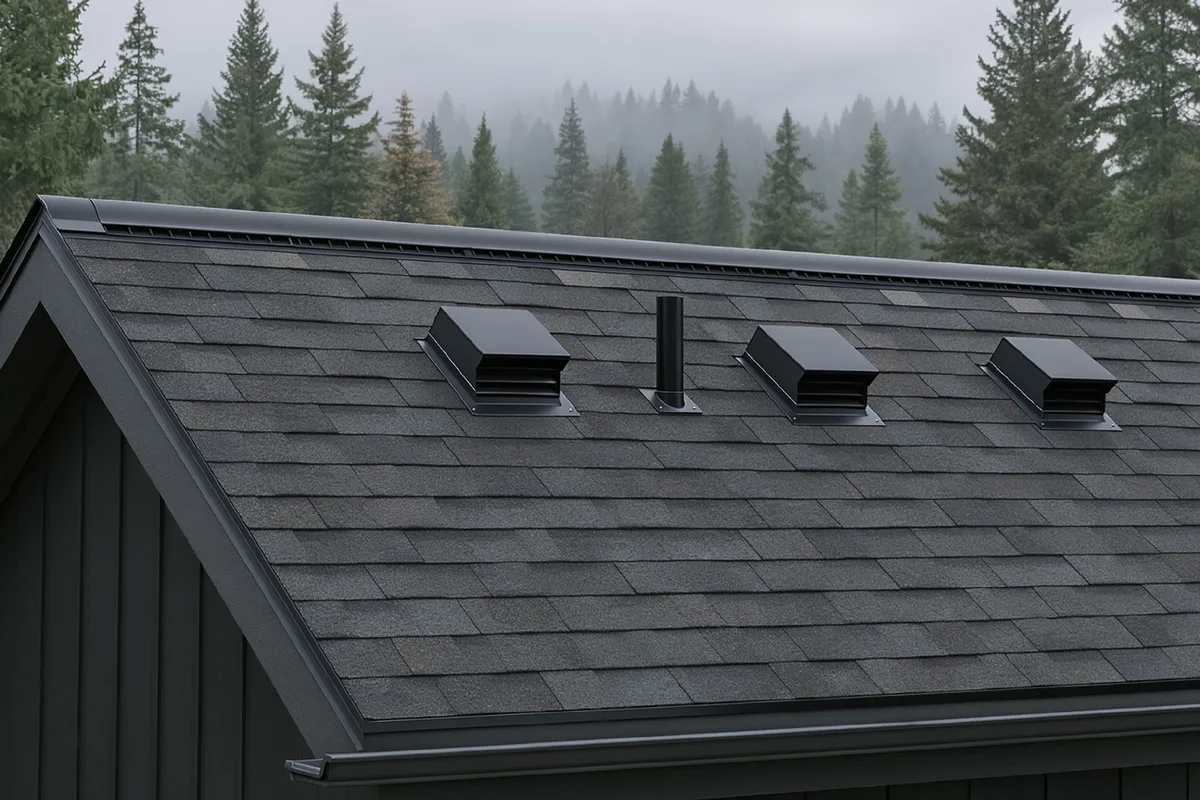
Chimneys, skylight shafts and framing can dead-end airflow in a section of attic. Even when most of the roof breathes well, one cut-off bay can stay wet and rot. Roofers look for these pockets when tracing air paths. Those hidden pockets can stay damp all winter without anyone noticing.
Fan ducting adds to the scope
Moving a bathroom fan from the attic to the outside means new duct, a roof or wall cap, and sealing around the opening. Access, run length and attic space all change the cost. Ask whether the work includes insulating the duct. Attic layout affects both.
Intake and exhaust balance
A rule of thumb splits vent area between low intake and high exhaust, with intake at least equal. The roofer will estimate what your attic has now and what it needs, then show where airflow is lacking. Roofers favor simple, balanced layouts, and should explain why.
Track the pattern over time
Note whether signs appear after cold nights, hot days or heavy showers. Patterns help the roofer sort condensation from leaks. A leak shows up after rain, while condensation follows temperature and humidity swings. Photograph conditions on cold mornings and warm afternoons for comparison, and tell the roofer.
Know this about Kent roofs
Building permits for Kent homes are handled by the City of Kent permit office. Small repairs often need nothing, while a tear-off, new sheathing or structural work usually does, so ask the roofer who pulls the permit.
Before work begins, look the company up on L&I's Verify a Contractor page. Washington requires construction contractors, roofers included, to be registered.
Most roof trouble in this part of Washington shows up in the wet season, when a small gap in flashing or a lifted shingle has months of rain to work on.
Storm took out power too? Report it to PSE at 888-225-5773, and stay clear of any downed line.
Before you call, note how many stories the house is and snap photos of the problem spots from the ground. It helps the roofer plan ladders and materials.
Nearby, the same kind of help is available in Des Moines, SeaTac and Auburn.
More about Kent
Calls come in from across Kent, including around Downtown Kent, East Hill, West Hill.
Kent has the region's wet-winter, dry-summer pattern, with rain on many days from fall through spring.
Roof Ventilation questions in Kent
Is condensation the same as a roof leak?
Do ridge vents work without soffit vents?
Does poor ventilation shorten a roof's life?
What does a ventilation inspection involve?
More roofing services in Kent
Roof Ventilation nearby
Helpful guides
Sources
Last updated: