For an addition or ADU, the roofer matches the roofline and pitch, ties the new section into existing roofing and flashes the joint so water cannot track inside. Ask how the connection will be sealed. Call the number on this page to be connected with a local roofing contractor in Suquamish.
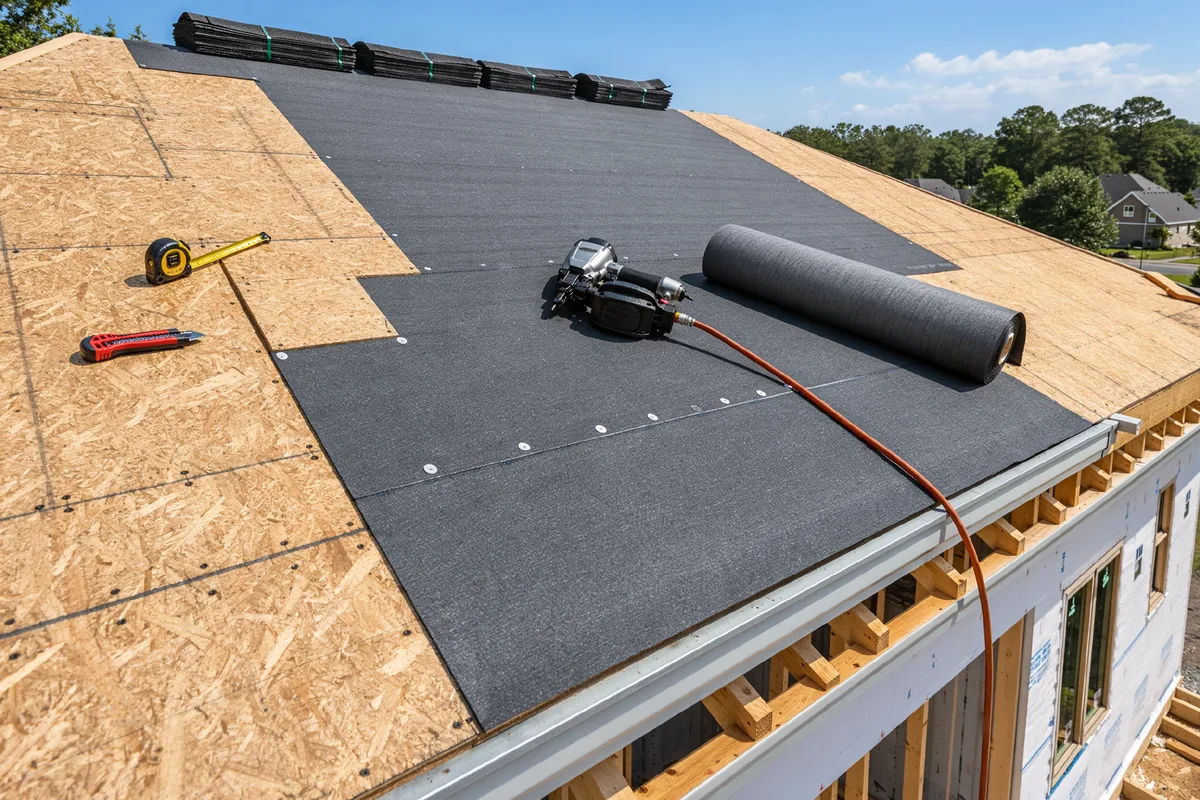
New roof on a converted space
Garage conversions, bump-outs and second-story additions often change the roof partway through. The roofer reviews how old and new framing meet, whether the pitch matches and how drainage will work. Photos or plans speed up the first conversation. Early sketches and photos help the roofer suggest a clean solution.
Working around other trades
Plumbers need vent penetrations, electricians want mast locations and mechanical crews place exhaust vents. The roofer flashes each one, so have the locations settled before shingles go down. Cutting through finished roofing later invites leaks and callbacks. Early agreement on vent placement avoids rework.
New roofs under conifers collect needles in valleys and stay damp longer, so discuss underlayment, ventilation and shingle choice with the roofer before ordering.
Salt air attacks ordinary metal quickly, so for a waterfront build ask the roofer which fasteners, flashing and trim suit the coast and the open exposure.
Schedule pressure
A tight timeline, such as a closing date or a rainy-season deadline, can affect price and availability. Builders sometimes bundle roofing with other trades. Compare scope carefully when you see a package number, and ask what is excluded. Rushing can make quality suffer, so ask what is protected.
Local details for Suquamish
On permits, the Kitsap DCD says: roofing permit required for residential if it includes structural work or more than 2,100 square feet of roofing materials are being replaced; always required for commercial.
A quick check that pays off: enter the contractor's name in L&I's online verify tool to confirm an active Washington registration.
Homes near the water around Suquamish take more wind and salt exposure, which wears metal flashing and fasteners faster.
Months of steady rain, shaded roofs and mild temperatures make moss and debris a constant here. Gentle removal is better for shingles than a pressure washer.
Tall evergreens around Suquamish drop needles that fill valleys and gutters and keep roofs shaded and damp, which is where moss starts.
Storm took out power too? Report it to PSE at 888-225-5773, and stay clear of any downed line.
Calls from Suquamish are often matched with roofers who also cover Silverdale, Poulsbo and Indianola.
Ventilation and insulation design
Vented and unvented assemblies handle attic moisture differently, and new homes often use sealed insulation that changes the rules. Ask the roofer how intake and exhaust are laid out and whether the design matches the insulator's plan. Poor coordination here is a common source of condensation trouble.
What to have on hand
Bring the plan set, roof specifications, manufacturer submittals and any HOA approvals to the first conversation. The roofer can then confirm pitch, underlayment and material limits without guessing. Missing documents are the most common reason new-build roofing starts late. Early paperwork keeps schedules realistic.
New Roof Installation questions in Suquamish
Do I need a permit for a new roof on an addition or ADU?
How is an addition roof tied into the existing one?
Who handles gutters on a new roof?
Do new roofs near salt water need special products?
More roofing services in Suquamish
New Roof Installation nearby
Helpful guides
Sources
Last updated: