Flat and low-slope roofs, skylights, cedar shakes, metal panels and standard asphalt shingles each have different weak points and repair methods. Tell the roofer which type you have. Many local roofers handle several, while some specialize. Call the number on this page to be connected with a local roofing contractor in Suquamish.
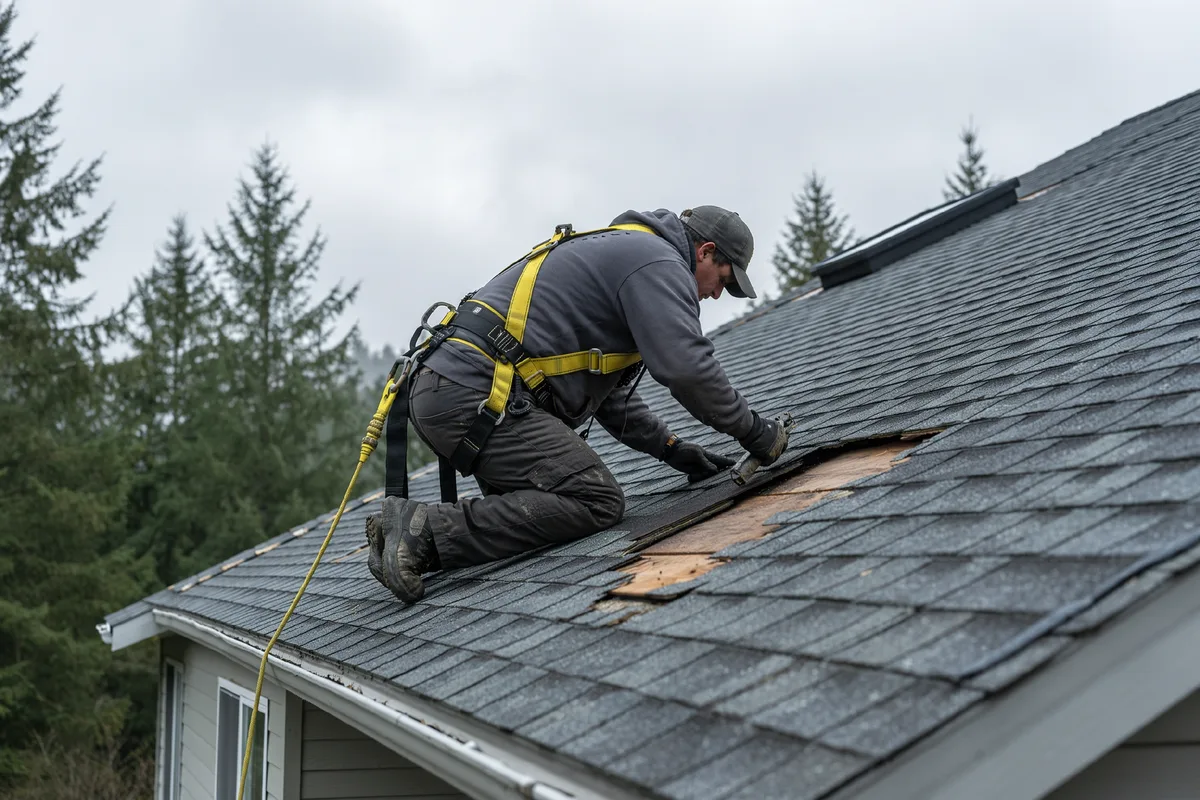
Roofing services in Suquamish
Moss, algae and dark streaks
Green growth on shaded slopes is common across the region and usually starts at north-facing sides and under trees. Light staining is mostly cosmetic, while thick moss lifts shingle edges and holds water against the roof. A roofer can recommend gentle treatment and tell you whether the surface is worth saving. Shade, tree cover and the slope direction all change how quickly it spreads.
Installation quality matters
Poor nailing, thin underlayment, missing drip edge and skipped flashing details cause failures that look like age. A roof installed carefully can outlast a similar roof installed quickly. When you compare roofers, ask how they handle the details that are hidden once the shingles go on. Ask each roofer how they handle valleys, edges and penetrations, since that tells you a great deal.
Shade from large evergreens means slow drying on many roofs nearby, and needle buildup in valleys and gutters is a steady maintenance chore.
Exposure on the shoreline and bluffs adds wind loading to roofs, and storm damage tends to concentrate on the most exposed slopes.
Permits, weather and roofs in Suquamish
On permits, the Kitsap DCD says: roofing permit required for residential if it includes structural work or more than 2,100 square feet of roofing materials are being replaced; always required for commercial.
Washington requires roofing contractors to register with the Department of Labor & Industries. L&I's Verify a Contractor tool shows a company's registration status before you sign anything.
Homes near the water around Suquamish take more wind and salt exposure, which wears metal flashing and fasteners faster.
Months of steady rain, shaded roofs and mild temperatures make moss and debris a constant here. Gentle removal is better for shingles than a pressure washer.
Tall evergreens around Suquamish drop needles that fill valleys and gutters and keep roofs shaded and damp, which is where moss starts.
Storm took out power too? Report it to PSE at 888-225-5773, and stay clear of any downed line.
Calls from Suquamish are often matched with roofers who also cover Silverdale, Poulsbo and Indianola.
Questions for a repair-versus-replace talk
Ask how old the roof is, what material it is, how much of it is affected and what condition the decking is in. Ask what the roofer expects to find under the surface and how long a repair should reasonably last. Written answers make later comparison much easier. Ask how they would handle a leak that returns after repair.
Warranties and paperwork
Manufacturers offer warranties on materials, and some roofers provide workmanship coverage; details vary and should be in writing. Ask what applies to your roof, what it covers and what could void it. Keep contracts, receipts and product information in one folder for future reference. Ask for the terms in writing, and ask whether workmanship coverage differs from manufacturer coverage.
Warning signs when hiring
Be cautious of anyone who knocks on your door after a storm demanding quick decisions, wants full payment up front, or cannot show state registration. Take your time, get written details, and speak with more than one roofer before choosing, even when the weather is pressing. Check registration before any deposit changes hands, and verify any claims they make about their work.
What not to do
Do not climb up to look, pressure wash the roof, scrape off moss with force or smear sealant over problems. These can cause injury or make damage worse. Tarps and temporary patches are best left to a roofer who can work safely and keep the roof dry. Leave it to a roofer, who can protect the opening properly and work with the right safety gear.
Common questions in Suquamish
Is moss on my roof a problem?
Can I pressure wash my roof?
How do I check a roofer's registration?
What happens during a roof inspection?
Nearby cities and towns
Sources
Last updated: