Roofs in this part of Washington deal with months of rain, shade and moss, plus fall windstorms that lift shingles and drop limbs. Most failures start small, at flashing, vents or worn shingles, and grow with each wet season. Call the number on this page to be connected with a local roofing contractor in Indianola.
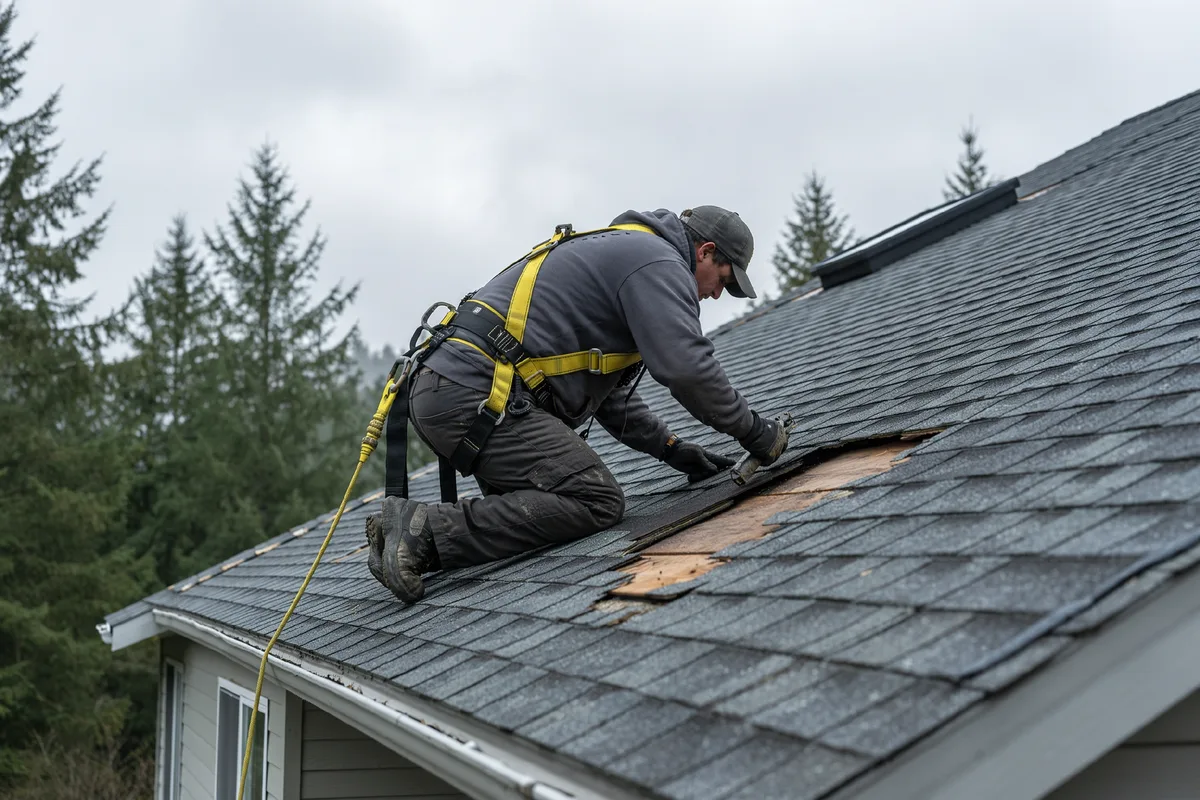
Roofing services in Indianola
What to watch for after a storm
- Shingle pieces or tabs in the yard or gutters
- Bare patches or lifted edges on the roof
- Bent flashing near chimneys or vents
- Fresh stains on ceilings or in the attic
Check these from the ground and photograph anything that looks different before you call a roofer. Take a few photos while the weather is dry.
Maintenance gaps
Many roof failures trace back to gutters left full, moss left to grow and small repairs postponed. Regular cleaning from the ground or by a professional, trimming branches back and checking flashing every year or two extend the life of a roof and often prevent the expensive surprises. Small habits, like cleaning gutters each fall, can add years to a roof.
Heavy tree cover in this part of Kitsap County keeps roofs damp longer, which speeds moss growth and wear, and falling branches add a storm risk.
Homes near the water here face steady wind-driven rain and salty moisture, so roofing materials and fasteners suited to a marine setting are worth asking about.
Partial reroofs and overlays
Some roofs can have one slope replaced while others are left alone, and a few can accept a new layer over the old one. Both approaches have limits, like weight, deck condition and building rules. Ask the roofer whether tear-off is recommended and what the quote includes. Ask whether an overlay is allowed where you live, and how it affects warranty options.
Material choices and budget
- Architectural asphalt shingles: common, moderate price
- Standing-seam metal: long life, higher upfront
- Cedar shakes: traditional look, more upkeep
- Torch-down or TPO: low-slope and flat roofs
Ask for options that suit the house and its roof shape. Tell the roofer your priorities, such as lifespan, appearance or budget, and they can guide you toward a fitting choice.
Before you call in Indianola
Permit note from the Kitsap DCD: Roofing permit required for residential if it includes structural work or more than 2,100 square feet of roofing materials are being replaced; always required for commercial.
Washington L&I registers construction contractors. Its free lookup shows whether a roofer's registration is active and whether there are claims against it.
Homes near the water around Indianola take more wind and salt exposure, which wears metal flashing and fasteners faster.
Fall and winter windstorms are the main source of sudden roof damage around Puget Sound. Lifted tabs and loose ridge caps are worth a look after a blow.
Tall evergreens around Indianola drop needles that fill valleys and gutters and keep roofs shaded and damp, which is where moss starts.
Storm took out power too? Report it to PSE at 888-225-5773, and stay clear of any downed line.
Nearby, the same kind of help is available in Bainbridge Island, Kingston and Suquamish.
Choosing a roofer
Washington requires roofing contractors to be registered with the state, and anyone can check registration online before hiring. Ask for a written scope, compare a few quotes and be wary of pressure to sign immediately. A roofer who explains the work in plain language is usually a good sign. Ask what the roofer would check first, and note every detail they mention.
Safe steps before you call
Stay off the roof, especially when wet, mossy or windy. From the ground, look for damage with binoculars. In the attic, use a flashlight to check for stains and damp insulation. Put a bucket under any drip, move belongings, and take clear photos so a roofer can understand the problem. Photos help the roofer a great deal.
Common questions in Indianola
Why is my ceiling stained when the roof looks fine?
Does homeowner insurance cover roof damage?
What happens during a roof inspection?
Can a flat roof be repaired?
Nearby cities and towns
Sources
Last updated: